
Introduction: The Essence of Premium Wedding Planning
Premium wedding planning encompasses the meticulous orchestration of various elements to create an unforgettable experience for couples and their guests. Unlike traditional weddings, premium weddings often involve larger guest lists, intricate details, and unique locations. This complexity can pose significant challenges for couples, particularly when organizing destination weddings that require additional logistics and coordination. From venue selection to vendor management, the responsibilities can quickly become overwhelming, making the need for a structured approach more critical than ever.
A comprehensive wedding planning checklist serves as an essential tool, helping couples navigate the myriad of tasks that accompany high-end weddings. Such a checklist is not merely a list of tasks; it is a strategic guide designed to ensure that every detail is accounted for and no important aspect is overlooked. By breaking down the planning process into manageable components, couples are empowered to make informed decisions, allocate resources effectively, and maintain a clear timeline leading up to their special day. This is particularly vital for premium events where expectations are exceptionally high.
In addition to addressing logistical needs, our goal with this blog post is to offer insights into the unique aspects of premium wedding planning, aimed at informing couples about best practices and essential considerations. Whether you are planning a large celebration or an intimate destination wedding, our insights will provide valuable guidance tailored for elite clients. Furthermore, we proudly introduce RK Wedding Photography as a trusted partner dedicated to capturing the elegance and beauty of your wedding. With years of experience serving couples worldwide, we understand the nuances of premium weddings and are committed to making your vision a remarkable reality.
Timeline & Key Milestones
Effective wedding planning is pivotal for a seamless and enjoyable experience. Establishing a clear timeline helps couples navigate through the numerous tasks that need to be accomplished. It is beneficial to start planning well in advance, ideally around 12 to 18 months before the wedding date. This duration allows ample time to make informed decisions regarding essential elements such as the venue, vendors, and overall design.
The first significant milestone is the engagement announcement, which often serves as the catalyst for the wedding planning journey. Following the announcement, couples should prioritize booking their wedding venue. Selecting a venue should happen as early as possible because popular locations tend to get reserved quickly, especially during peak wedding seasons. Once the venue is secured, couples can turn their attention to creating a guest list, which will inform subsequent vendor selections.
Choosing vendors—including caterers, florists, photographers, and musicians—constitutes another critical phase in the timeline. Couples should thoroughly research potential vendors to ensure they align with the couple’s vision and budget. Setting up initial meetings, reviewing contracts, and locking in appointments should ideally happen at least six to eight months prior to the wedding date. Once the vendors are selected, regular follow-ups are necessary to confirm all details and adjustments.
As the wedding day approaches, final confirmations with the venue and vendors become paramount. At least one month before the wedding, couples should finalize their timelines and share them with all involved parties, including family members and wedding party members. This effort ensures that everyone is on the same page and helps to mitigate any last-minute chaos. Overall, adhering to this structured timeline not only reduces stress but also enhances the overall experience leading up to the special day.
Shot Lists: Capturing Every Moment
Creating a comprehensive shot list for wedding photography is an essential step in ensuring that every precious moment is documented on one of the most important days of a couple’s life. A well-structured shot list serves as a guide for photographers, allowing them to capture both the traditional and spontaneous events that unfold throughout the day. This pre-planning is key for couples wanting to preserve their memories in vivid detail.
At the outset of the wedding day, pre-wedding rituals often set the tone and ambiance. This includes moments such as the bride getting ready, the groom adjusting his tie, and family members sharing heartfelt sentiments. By outlining these moments in advance, couples can ensure they will be photographed, capturing the anticipation that encapsulates the lead-up to the ceremony.
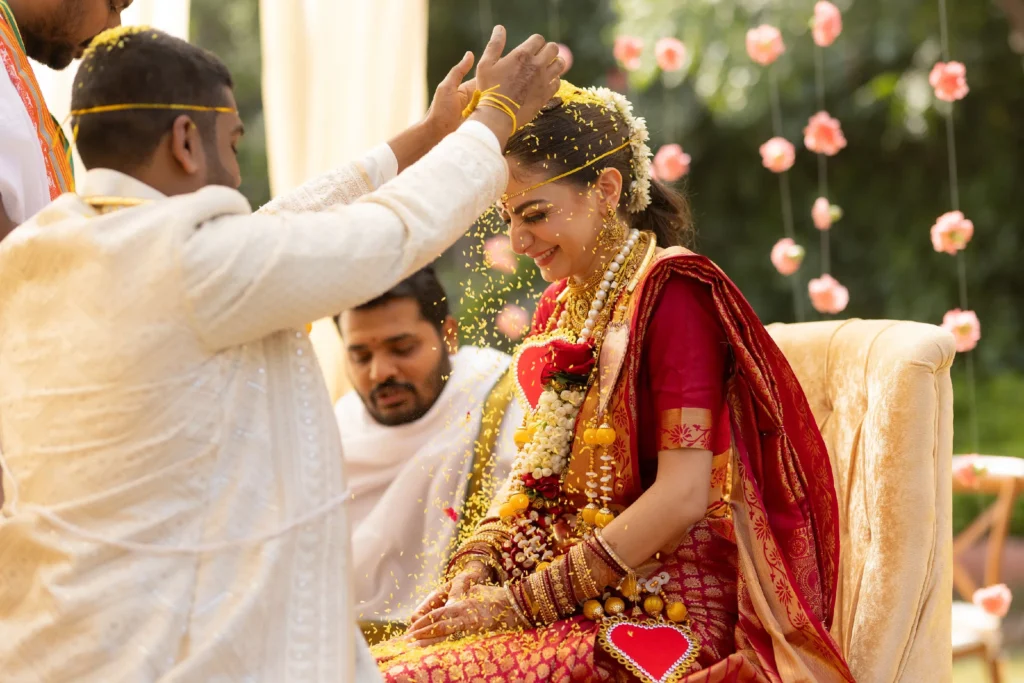
During the actual ceremony, there are several critical moments that require attention. From the procession down the aisle to the exchange of vows and the first kiss as a married couple, these highlights form the foundation of a wedding album. By specifying these key moments in the shot list, couples can work with RK Wedding Photography to ensure that no significant detail is missed.
However, the importance of a shot list does not end with formalities. Candid moments—those beautiful, unscripted interactions between friends and family—often tell the true story of the wedding day. These tender exchanges, joyful laughter, and emotional tears contribute to the genuine atmosphere of the celebration. Couples should consider adding categories for candid moments in their shot list, allowing RK Wedding Photography to capture the essence of the day as it unfolds, creating lasting memories.
Assembling Your Dream Team: Vendor Requirements
Planning a premium wedding involves assembling a skilled and dependable team of vendors who can bring the couple’s vision to life. Each vendor plays a critical role in creating a seamless and memorable experience. Understanding the requirements for each role is essential to ensure that the wedding unfolds without a hitch.
First and foremost, a wedding planner is invaluable for navigating the complexities of wedding logistics. These professionals not only help in curating a comprehensive timeline but also provide insights into the best vendors available within the couple’s budget and style preference. When selecting a wedding planner, it is important to review their portfolio and ask for references to ensure they have a proven track record in organizing high-end weddings.
Next, photographers and videographers are key players in capturing the essence of the day. Couples should seek out vendors who specialize in wedding photography and videography and have experience in luxury events. A thorough examination of their previous work can help in determining whether their style complements the couple’s vision. Engaging in pre-wedding consultations also goes a long way in ensuring that expectations are clearly communicated.
Catering also plays an integral role in a premium wedding, as the food served often leaves a lasting impression on guests. Couples should look for caterers who have experience in providing high-quality dishes tailored to specific cuisines. Conducting tastings before finalizing the catering service will help couples gauge the quality and presentation of the food, ensuring it meets the expectations of a luxury wedding.
Finally, florists contribute to the overall aesthetic of the event, transforming spaces with beautiful arrangements. Collaborating with a florist who understands the couple’s vision is crucial. Couples should discuss their theme and preferences in detail during the consultation process to ensure that floral designs are cohesive with the overall wedding ambiance.
By carefully selecting experienced and reliable vendors for each aspect of the celebration, couples can create a cohesive and luxurious wedding that reflects their unique style and preferences.
Pre-Wedding Planning: Events and Ceremonies
Pre-wedding events serve as essential milestones in the journey toward the big day, providing an opportunity for couples and their families to celebrate love, traditions, and commitment. Among the significant pre-wedding ceremonies are engagement parties, bridal showers, and sangeet nights, each offering a unique touch to the wedding planning experience. These events not only strengthen familial bonds but also allow couples to set the tone for their luxury wedding experience.
Engagement parties typically take place soon after the proposal and are an excellent occasion for couples to introduce their families and friends. When planning this event, setting a timeline is crucial. Ideally, an engagement party should be organized 2 to 3 months after the engagement. This timeframe allows for a well-structured guest list, which may include close family members and friends. The theme of the engagement party can range from an intimate gathering to a more lavish affair, depending on personal preferences and budget allocation.
Bridal showers are another important pre-wedding event, usually hosted by close friends or family members of the bride-to-be. They often take place a few months before the wedding and provide an opportunity for guests to shower the bride with gifts and well wishes. To ensure everyone enjoys the celebration, creating a guest list, planning activities, and settling on a preferred theme are essential steps in organizing the shower. Popular themes often include tea parties or rustic gatherings, depending on the couple’s style and expectation of the luxurious wedding ahead.
Sangeet nights, rooted in deep cultural traditions, serve as an exciting prelude to the wedding festivities in many communities. They typically involve music, dance, and performances by family members and friends. For a luxurious sangeet, consider engaging professional choreographers and musicians, ensuring the event resonates with elegance and joy. Timelines are essential here too, as they can help structure the various performances and ensure a memorable experience for everyone involved.
Lighting Needs: Setting the Mood
Lighting is a crucial element in setting the atmosphere for a premium wedding. The thoughtfully designed lighting scheme can transform an ordinary venue into a stunning backdrop, enhancing the overall visual appeal of the event. Couples should consider the various types of lighting that can be employed throughout their wedding, starting from the ceremony to the reception. Ambient lighting at the reception can create a warm and inviting atmosphere, while focused spotlights during the ceremony highlight the couple and their vows, drawing guests’ attention to the significant moments.
When planning for lighting, it is essential for couples to collaborate closely with lighting professionals. These experts can provide valuable insights into the types of lighting that would best suit the wedding’s theme and venue. For instance, if the wedding takes place outdoors during evening hours, string lights or fairy lights can add a romantic touch. Conversely, for indoor settings, uplighting along the walls can create depth and accentuate architectural features. It is also beneficial to explore the use of colored lights, which can align with the wedding color palette and create a cohesive look.
Working with lighting specialists can also ensure that the desired atmosphere is achieved. Couples should communicate their vision clearly, including any specific moods they wish to evoke, whether it is a soft, intimate glow or a vibrant party atmosphere. Additionally, it is essential to consider practical aspects such as the venue’s power availability and the layout of light fixtures. Attention to these details can significantly enhance the overall storytelling of the wedding, making it not just a visual experience but also an emotional one. By prioritizing lighting needs, couples can create a memorable occasion that captivates their guests.
Venue and Drone Permissions: Navigating Bureaucracy
Securing the appropriate venue permissions is a critical element in the wedding planning process, particularly for couples considering either traditional or destination weddings. Each location may have its own regulatory requirements, which can vary from one venue to another, making it essential for couples to begin this process well ahead of their wedding date. This involves checking with local authorities and understanding zoning laws, noise ordinances, and other legal regulations that may affect events held in public places or private properties.
In the case of traditional weddings, typically held in venues like churches or banquet halls, couples should consult the venue management early on to ensure compliance with any specific requirements. This may include obtaining insurance, following fire safety regulations, or adhering to capacity limits. On the other hand, destination weddings may necessitate the completion of additional paperwork, particularly if the couple is planning to get married in a foreign country, where local laws can significantly differ from domestic regulations.
Another facet of planning a wedding that has gained popularity recently is the use of drones for photography and videography. Drone photography offers a unique aerial perspective, capturing the grandeur of the celebration in a way that traditional photography cannot. However, the operation of drones is subject to specific regulations that must be adhered to in order to avoid legal complications. Couples should familiarize themselves with local drone laws, which may include obtaining a permit or notifying local authorities about the intended aerial shoot. Often, the drone operator will need to have the necessary licenses and permissions in place to legally operate in the chosen areas.
Understanding both venue and drone permissions is vital for ensuring a smooth and successful wedding day. By taking proactive steps to secure all necessary approvals, couples can focus on celebrating their love while skilled professionals capture their cherished moments effortlessly.
Creating a Budget: Aligning Dreams with Finances
Planning a premium wedding is an exciting journey, but it requires a well-structured budget to ensure that dreams are aligned with financial realities. The first step in creating a budget is to determine the overall wedding budget. Couples should begin by assessing their financial situation, including contributions from family members or savings. Once an amount is established, this figure will serve as the foundation for allocating funds across various categories.
When breaking down the budget, it is crucial to prioritize key elements such as the venue, catering, decor, and photography. The venue often consumes a substantial portion of the budget; thus, couples should evaluate their options early, considering factors like location, capacity, and amenities. For premium weddings, venues that offer unique settings or all-inclusive packages can provide significant value.
Catering is another major expense. Couples should decide whether to have a sit-down dinner, buffet, or perhaps a fusion menu that reflects their tastes. It is advisable to balance quality with cost; exploring caterers who specialize in premium offerings without exceeding budget constraints can be particularly rewarding. Similarly, decor can elevate the wedding aesthetic but does not need to break the bank. Couples can consider creative DIY options or hire a florist with a range of packages to select from.
Photography is essential for capturing the memories of the day. Investing in a skilled photographer will ensure that memories are preserved beautifully. Couples should research and compare different photographers, focusing on portfolios that resonate with their personal style. In addition to these categories, it is wise to allocate a portion of the budget for unforeseen costs, providing a buffer for flexibility throughout the planning process.
By tracking expenses and continuously reviewing the budget, couples can maintain control over their finances while pursuing their dream wedding. Engaging in open discussions about financial expectations and compromises can lead to a well-planned event that balances luxury with affordability. The end goal is to celebrate a meaningful occasion that reflects the couple’s unique love story.
Why Choose RK Wedding Photography for Your Premium Wedding
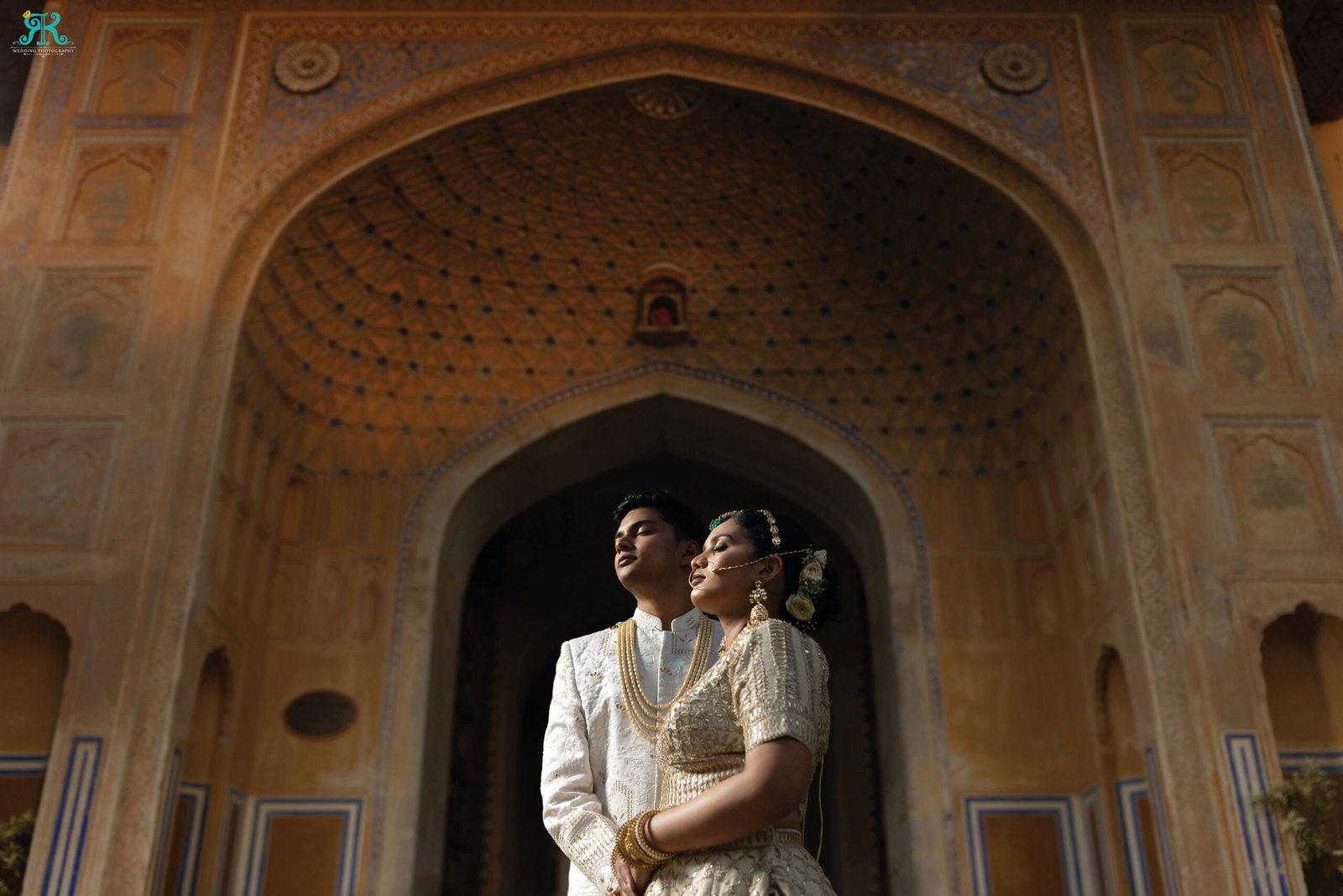
RK Wedding Photography is renowned for its exceptional capability to capture the essence of large-scale and destination weddings, making it a favored choice among elite clients. Specializing in premium wedding photography, RK excels at creating stunning visual narratives that resonate with the high standards set by discerning couples. The photographers at RK have a keen eye for detail and an ability to encapsulate the emotional essence of significant moments, ensuring that each image tells a story of love and commitment.
The extensive portfolio of RK Wedding Photography showcases their expertise across a myriad of settings, from lavish ceremonies in historic venues to breathtaking destination weddings on sun-kissed shores. This versatility is complemented by their sophisticated approach to photography, which combines artistry with technical proficiency. Clients can expect not only striking images but a refined aesthetic that enhances the overall narrative of their wedding day.
Moreover, the testimonials from satisfied clients underscore RK’s commitment to excellence and personalized service. Couples frequently commend the professional yet approachable demeanor of the photographers, highlighting their ability to blend seamlessly into the wedding day while capturing candid moments as they unfold. Every client relationship is built on trust, allowing couples to relax and enjoy their day, secure in the knowledge that RK is dedicated to immortalizing every important detail.
Choosing RK Wedding Photography guarantees more than just stunning photographs; it ensures a bespoke experience tailored to meet the distinct needs of each couple. From the initial consultation to the final delivery of images, RK Wedding Photography prioritizes customer satisfaction, making it an ideal partner for couples looking to capture the grandeur and beauty of their premium wedding.